


30 Sep The Nozempic Diet Principle 5: Favour Healthy Fats
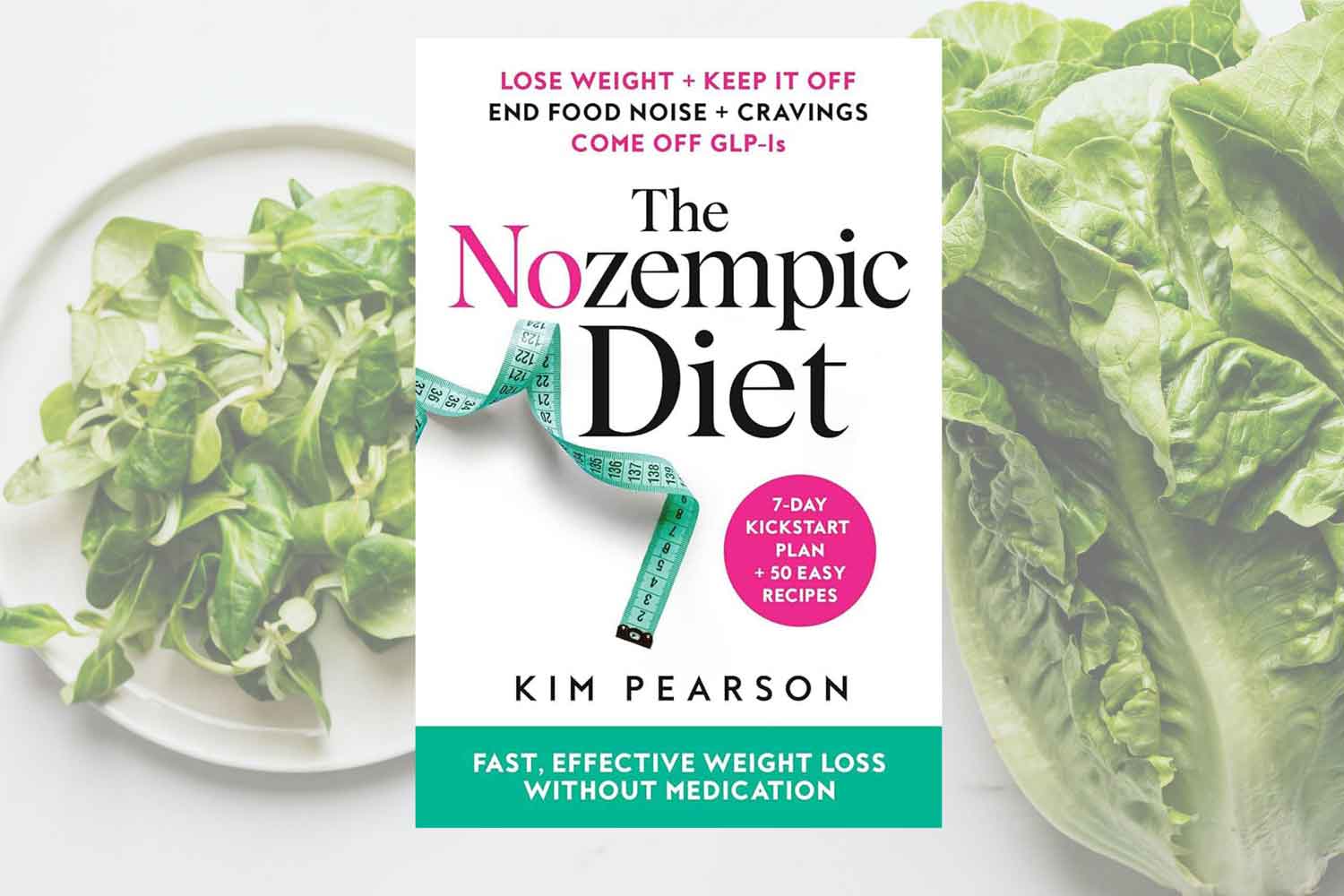
You would be surprised by how many people still think that when it comes to weight loss, fats are best kept to a minimum. But when it comes to healthy fats, the truth is not so simple. My new book The Nozempic Diet, is based on my two decades of clinical nutrition experience. In it, I share my eight-pillar approach to naturally stimulating your body’s own satiety hormones, quietening food noise and achieving healthy, sustainable weight loss with no medication required. You can buy The Nozempic Diet from Waterstones here.
In this article, we’ll take a look at one of the key principles I discuss in my book: favour healthy fats.
IS FAT-FREE GOOD FOR WEIGHT LOSS?
For a long time, fat was the villain of the nutritional world. Blamed for everything from weight gain to heart disease, it was systematically removed from foods and replaced with something supposedly safer. The result was a generation of low-fat products that, stripped of fat, were bulked up with sugar, thickeners and refined starch to make them palatable. Metabolic health got worse, not better.
We now understand that healthy fats are not just harmless; they’re essential. They’re central to the Nozempic Diet, and once you understand why, I hope you’ll stop thinking twice before drizzling olive oil or adding avocado to your plate.
WHY HEALTHY FATS ARE VITAL
The main argument against fat was a simple one: it contains more than twice as many calories per gram as protein or carbohydrates, so surely eating less of it would lead to weight loss. But this misses the full picture. Successful, lasting weight loss relies on more than just reducing calories, it’s about managing appetite, blood sugar and hormones. And healthy fats, it turns out, are genuinely helpful on all three fronts.
Whole-food sources of fat help slow gastric emptying – meaning food stays in the stomach longer, and you stay fuller for longer. Certain fats also directly stimulate the release of satiety hormones, including GLP-1, CCK and PYY. Research shows that meals containing fats produce a stronger satiety hormone response than low-fat meals. Meanwhile, the low-fat products that replaced them often caused exactly the blood sugar rollercoaster that drives overeating.
WHAT ARE THE DIFFERENT TYPES OF FAT?
Understanding which fats to eat – and which to avoid – is important. Here’s a brief overview:
-
- Monounsaturated fats, found in olive oil, avocados, nuts and seeds, are associated with good cardiovascular and metabolic health. They help stabilise blood sugar responses and improve satiety, particularly when they replace low-quality processed fats in the diet.
-
- Polyunsaturated fats include omega-3 and omega-6 fatty acids. Omega-3s — particularly EPA and DHA, found in oily fish – are anti-inflammatory and play critical roles in brain health and cardiovascular function. Most people I work with have suboptimal omega-3 levels, which is why I recommend oily fish at least twice a week and a high-quality fish oil supplement for most clients. Omega-6 fats are essential in moderation, but the Western diet tends to provide far too much poor-quality omega-6 (from refined seed oils and ultra-processed foods) and far too little omega-3 – an imbalance that promotes inflammation.
-
- Saturated fats from whole food sources – coconut, meat, eggs and dairy – are not the dietary villain they were once portrayed as. They’re stable at higher temperatures, which makes them a good choice for frying. Quality matters, so choosing grass-fed and organic meat where possible supports a better overall fat profile.
-
- Trans fats, found in many ultra-processed foods and deep-fried products, are a different matter entirely. These are genuinely harmful and worth avoiding completely.
THE ROLES OF FAT IN THE BODY
Beyond appetite, fat performs a wide range of essential functions. The brain is approximately 60 per cent fat by dry weight, and omega-3 fats are structural components of brain cells, influencing memory and mood. Vitamins A, D, E and K are all fat-soluble, meaning they can only be absorbed when dietary fat is present – cut fat too low and you compromise the uptake of these critical nutrients. Hormones, including those involved in reproductive health, stress regulation and metabolism, are synthesised from fat. Cell membranes, throughout the body, require dietary fat to maintain their flexibility and function properly.
WHERE DOES EXTRA-VIRGIN OLIVE OIL SIT?
Among the healthy fats, extra-virgin olive oil (EVOO) holds a particular place in the Nozempic Diet. Rich in polyphenols – plant compounds with powerful anti-inflammatory properties – and monounsaturated fats, EVOO is associated with the broad health benefits seen in Mediterranean-style eating. Interestingly, research has found that olive oil specifically stimulates a greater release of GLP-1 than butter – an effect believed to be driven by oleic acid activating receptors in the gut that trigger GLP-1 secretion.
I recommend two tablespoons of EVOO per day during the weight-loss phase. A few points on quality: choose cold-pressed oil in dark glass bottles (light degrades the polyphenols), look for a harvest date and aim to use the oil within a couple of months of opening. The slightly bitter, peppery taste of a good EVOO indicates polyphenol content – the more pronounced the flavour, the better.
HOW TO INCLUDE HEALTHY FATS IN YOUR DIET
On the Nozempic Diet, you’ll typically include four portions of healthy fat per day during the weight-loss phase. This comes primarily from olive oil, nuts, seeds and avocado, with additional fat contributed by protein sources like eggs, fish and meat.
Key sources include:
-
- Avocado: rich in monounsaturated fat and fibre, it’s a satisfying addition to salads, smoothies and breakfasts.
-
- Nuts and seeds: raw, unroasted varieties – almonds, walnuts, Brazil nuts, chia, flax, hemp, pumpkin and sunflower seeds – all contribute beneficial fats alongside fibre and minerals.
-
- Oily fish: anchovies, herring, mackerel, salmon, sardines and trout provide omega-3 EPA and DHA. Aim for at least two servings per week.
-
- Coconut oil: a saturated fat that remains stable at higher cooking temperatures, making it a good choice for frying.
-
- Extra-virgin olive oil: for dressings, low-to-medium-heat cooking and drizzling over dishes just before serving.
HOW TO PORTION HEALTHY FATS
Healthy fats are calorie-dense, so being mindful of portions matters – not by weighing everything, but by using the simple measures I lay out in my book. like tablespoons and small handfuls. If you find that increasing fat intake causes digestive discomfort such as bloating or nausea, increase gradually and consider supporting fat digestion with a bile salt or digestive enzyme supplement containing lipase. Bitter foods like rocket, chicory and endive can also help stimulate bile flow.
For omega-3 supplementation specifically, most people benefit from a high-quality fish oil providing 2–3g of combined EPA and DHA daily. Vegetarians and vegans can opt for algal oil, which provides EPA and DHA directly. It’s important to choose a supplement with IFOS certification to ensure purity and potency.
Read more about healthy fats in my guide here.
This article is based on Principle #5 of The Nozempic Diet by Kim Pearson, published by Bluebird (£16.99). Buy your copy from Waterstones here.
WORK WITH US
Have you been avoiding fat in an effort to lose weight, only to find yourself hungry, tired and stuck? Rebalancing the fats in your diet is often a turning point for clients. Our team can help you navigate this and build a way of eating that actually works for your body long term.
We are a team of qualified nutritionists who specialise in weight loss. If you’re ready to overcome your weight challenges, achieve your goal weight and maintain it long term, we can help. You can use this link to book in for a complimentary call today. This is an opportunity to talk through your challenges with a member of our team and decide together whether one of our Intelligent Weight Loss programmes is right for you. Or contact us and we will get back to you soon.